| Course Title | WSQ Apply Workplace Safety and Health in Construction Sites |
| Mode of Training |
|
| Course Objectives |
|
Formerly known as CSOC-Construction Safety Orientation Course.
Audience: Foreign workers & locals joining the construction industry and renewals of Work Permits.
Topics:
1) Legal Obligation including WSH Act
2) Fire and Explosion Hazards
3) Specialized Operations
4) Material Handling
5) Mechanical and Electrical Works
6) Working At Height
7) Working In Confined Spaces
8) Personal Protective Equipment
9) Well Being (With Safety Shoes)
10) Written Assessment
11)Work at Heights & Fire Fighting Practical Assessment
The Construction Safety Orientation Course (CSOC), now officially titled WSQ Apply Workplace Safety and Health in Construction Sites is a mandatory training program in Singapore designed for both foreign and local workers entering the construction industry or renewing their work permits.
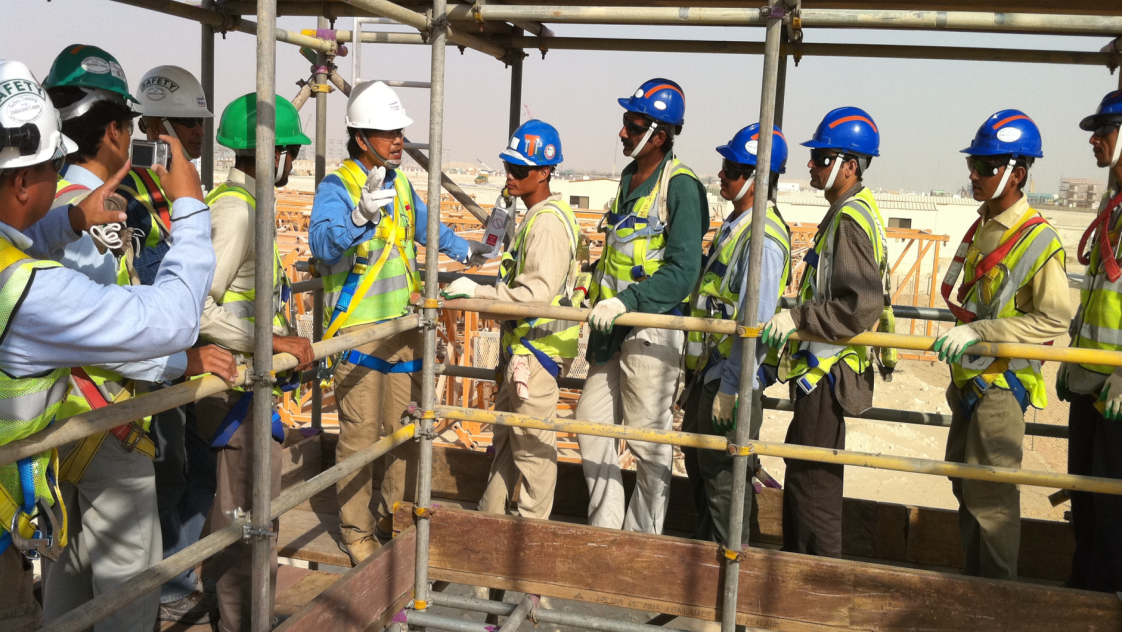
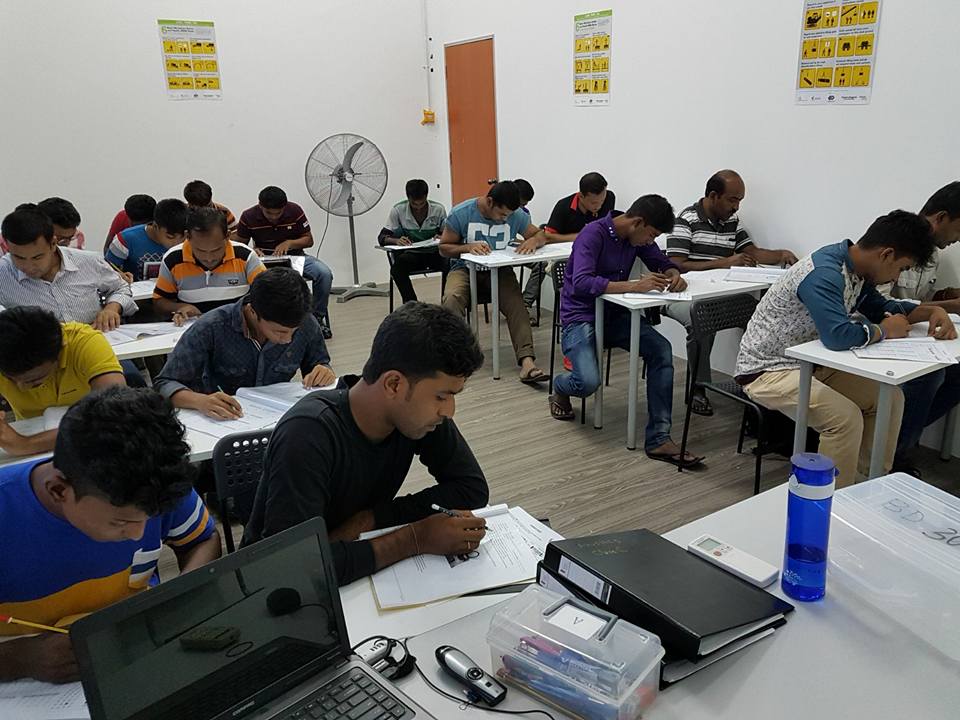
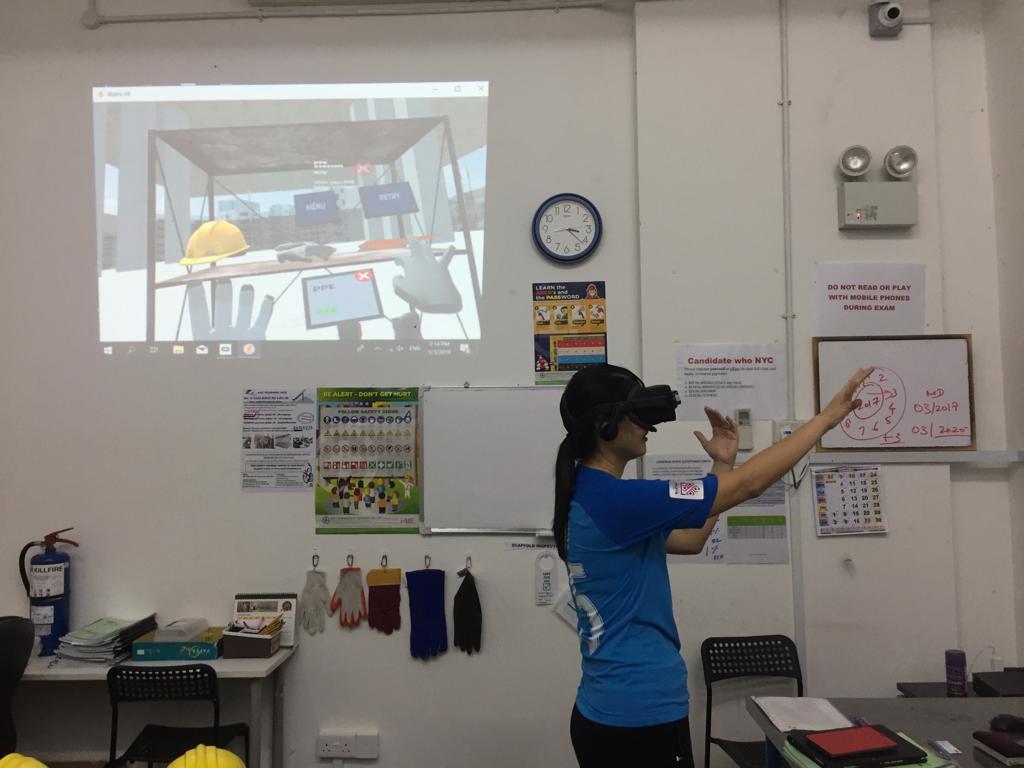
Delivered through a combination of classroom lectures and practical performance assessments, the course equips participants with essential knowledge and skills to identify their safety responsibilities, follow safe work procedures—including those for working at heights—and effectively respond to fire emergencies.
Key topics include the WSH Act, fire and explosion hazards, material handling, PPE usage, confined space safety, and a strong emphasis on practical components such as working at heights and fire-fighting drills.
This course forms a critical foundation for cultivating a safety-first culture across Singapore’s high-risk construction environments.
Where to take this course?
Selected training centres in Singapore
Under the Workplace Safety and Health (WSH) Act, the Apply Workplace Safety and Health in Construction Sites (formerly CSOC) is a mandatory entry-level safety orientation for:
New Construction Workers: All foreign workers must pass this course before their Work Permits can be issued.
Existing Workers: Any worker currently employed in the construction industry whose safety pass is nearing expiry.
General Employees: Any personnel required to enter construction sites for project-related work.
How Long is My CSOC Safety Pass Valid?
The validity of your safety pass depends on your years of experience in the Singapore construction industry (based on MOM records):
2-Year Validity: For workers with less than 6 years of experience in Singapore.
4-Year Validity: For workers with 6 years or more of experience in Singapore.
Note: We recommend renewing your pass at least 30 days before it expires to ensure there is no lapse in your legal ability to work on-site.
To ensure a smooth registration and to comply with practical assessment safety standards, please bring the following:
Identification: Original Work Permit, IPA (In-Principle Approval), or S-Pass/NRIC.
Proper Attire: Please wear comfortable clothing suitable for classroom activities.
Safety Gear (Mandatory for Day 2): On the second day (Practical Assessment), all trainees must bring their own Safety Shoes.
Attendance: 100% attendance is required to sit for the final assessment.
In line with the latest MOM (Ministry of Manpower) requirements updated in late 2022, our course now includes Enhanced Experiential Practical Training.
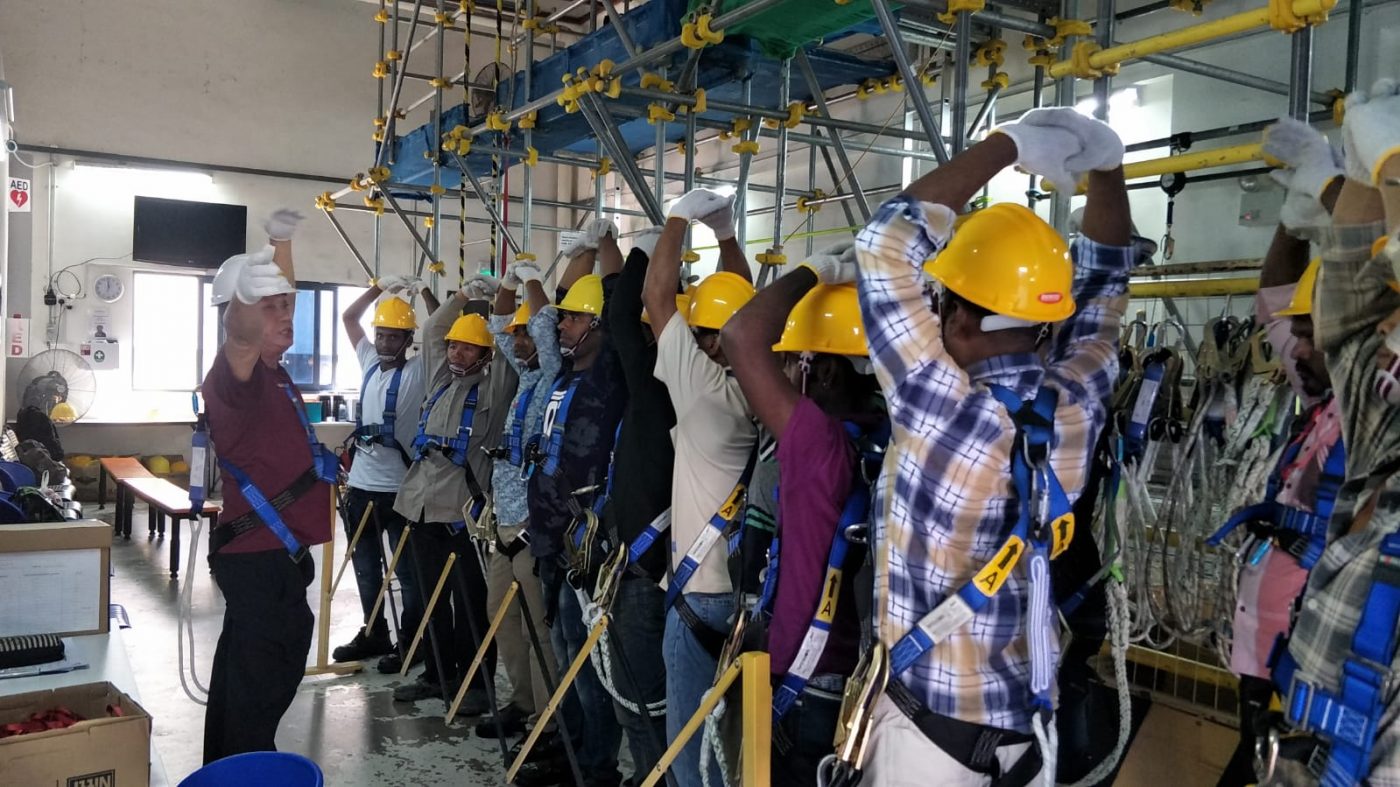
Unlike older versions of the CSOC, this “hands-on” curriculum focuses on real-world site hazards. Trainees will undergo practical demonstrations and assessments in:
Working at Heights (Proper harness usage).
Correct Fire Extinguisher handling.
Proper use of Personal Protective Equipment (PPE).
Hazard identification in a simulated construction environment.